
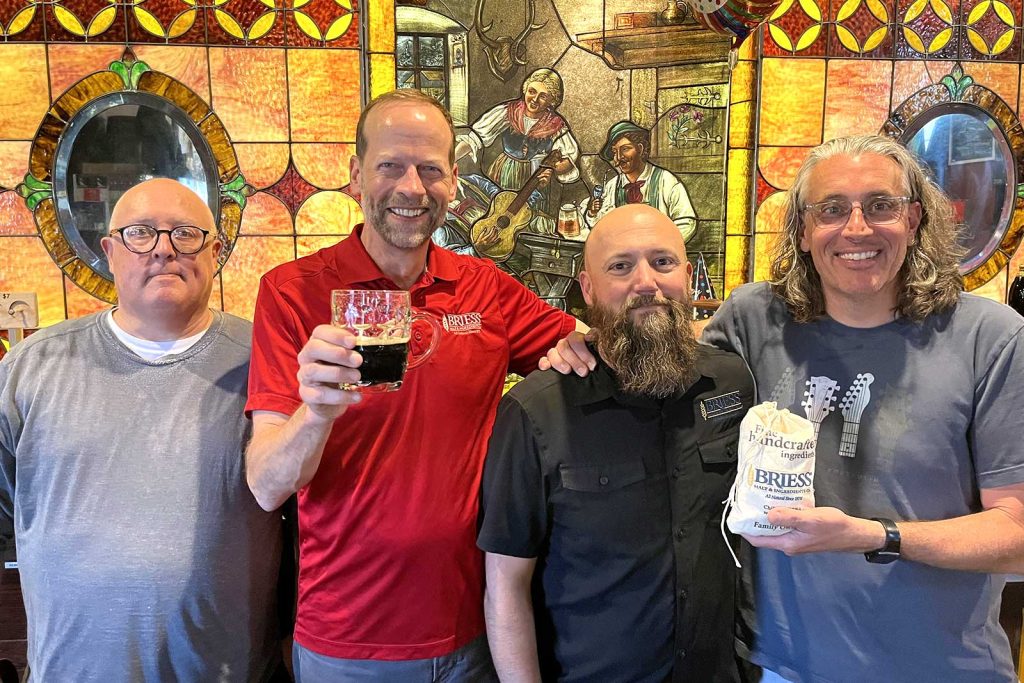
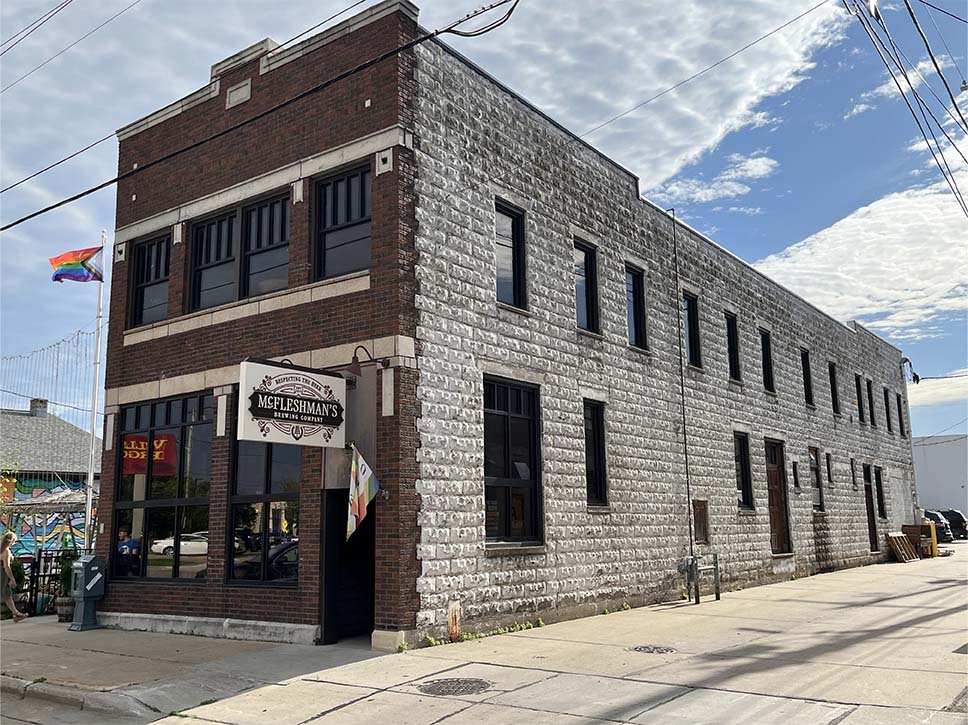
In a recent McFleshman’s Brewing podcast, called “Respecting the Beer,” Gary Arndt and Joel Hermansen discuss the art, science, and history of craft beer. Briess Team Members Ron Schroder and Jordon Geurts joined as guests, taking listeners on a journey through over a century of malting history and innovation.
Part 1: What is Malt?
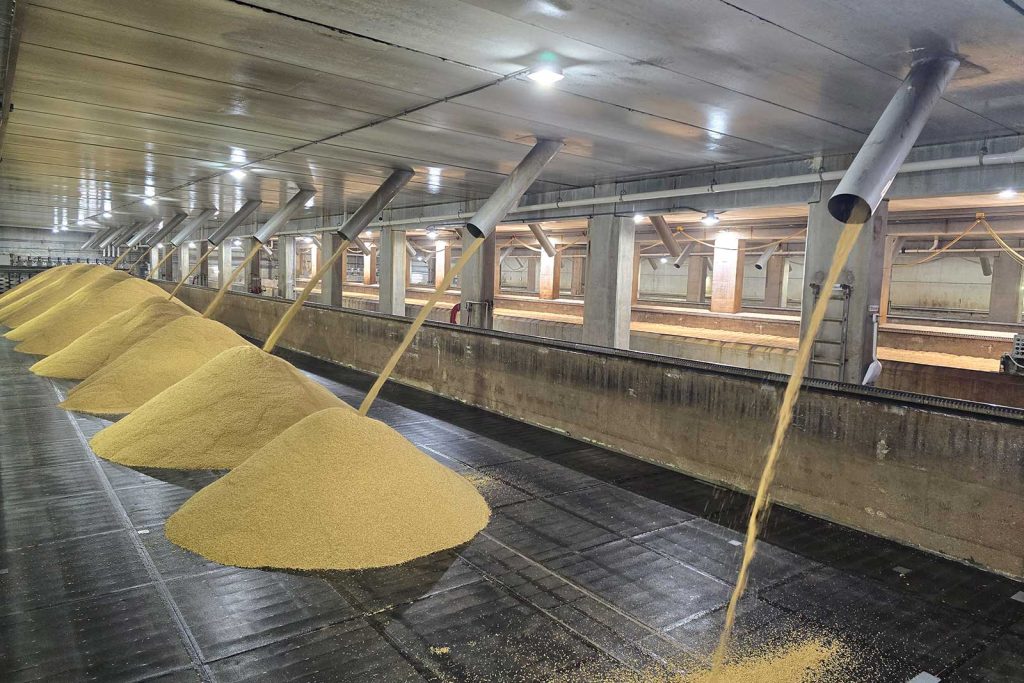
In Part 1 of the podcast, we dive into the journey from barley to malt.
🎧 Listen here: Episode 71: What is Malt?
Jordon breaks it down simply:
“The malting process is turning grain into malt through basically the natural process of growing it: steeping, germination, and then drying it out and kilning it.”
Let’s walk through the steps:
- Steeping: water is added to the barley to kickstart the sprouting process
- Germinating: a growth period of several days breaks down the internal starch and protein structure to release sugars
- Kilning: drying out the barley to halt growth and making it a suitable product for storage. This stage also creates colors and flavors needed for beers or spirits
- Roasting: heat is applied to the barley within a roasted drum to change the grain’s properties through the Maillard reaction, resulting in especially unique flavors
Ever wonder how malt becomes “chocolate malt”?
Jordon stated, “They’re made in a roaster, much like crystal malts, but they go through a much different process. We take that grain and we bring it over to the roaster and we’ll increase the product temperature. There’s a middle stage of the roasting process that smells a lot like burnt popcorn, but almost right after that is when the chocolate notes start to hit, and it’s this delightful shift to a nice, pleasant, mellow flavor.”
What’s happening here isn’t just about adding flavor; it’s also about removing the ones you don’t want, which could be detrimental. The right amount of heat leaves behind those smooth, chocolatey notes brewers love.
Part 2: 140+ Years of Malting in Wisconsin
Check out the next portion of the podcast to hear about Briess’ impact on the craft brewing world over the past five generations.
🎧 Listen here: Episode 72: 140+ Years of Malting in Wisconsin with Briess
From Czech Roots to American Legacy
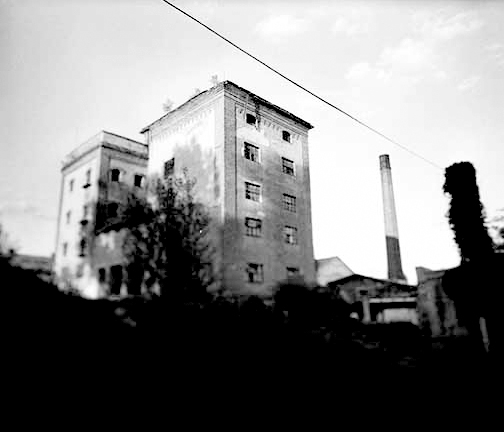
Briess began with the Original Czech Malthouse, and its journey to Chilton, Wisconsin, is a testament to the enduring power of tradition blended with ongoing innovation.
Let’s take a quick trip back in time—way back to 1876. That’s when Briess got its start in the Moravia region of what’s now the Czech Republic. Barley was successfully being grown there, so it made perfect sense for maltster Ignatius Briess, first-generation owner, to build a malthouse and start shipping products across Europe and eventually around the world.
Jumping ahead to the 1890s, second-generation Rudolf Briess specialized in exports to Europe, the United States, and Latin America. The business gained worldwide recognition as a reputable supplier of high-quality malt. He also developed a malted barley flour exact ingredient for baked goods, which is still sold today as “Maltoferm®”.
Fast forward to the early 1950s: third-generation maltster Eric Briess immigrated to New York, where he continued working as a global malt broker. He soon established a relationship with Chilton Malting Company and began roasting barley there in 1953.
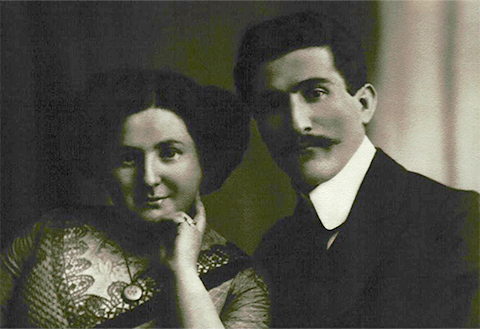
He was succeeded by his son, Roger Briess, who continued the family’s legacy and eventually acquired the Chilton Malting Company in 1978, renaming it Briess Malting Co.
You may recall it was a pivotal year when homebrewing was finally legalized by President Jimmy Carter. Roger Briess was visionary and was the first maltster to recognize the potential of the emerging American Craft Beer movement. Briess was actually the only malting company supplying malt to craft brewers until the early ’90s.
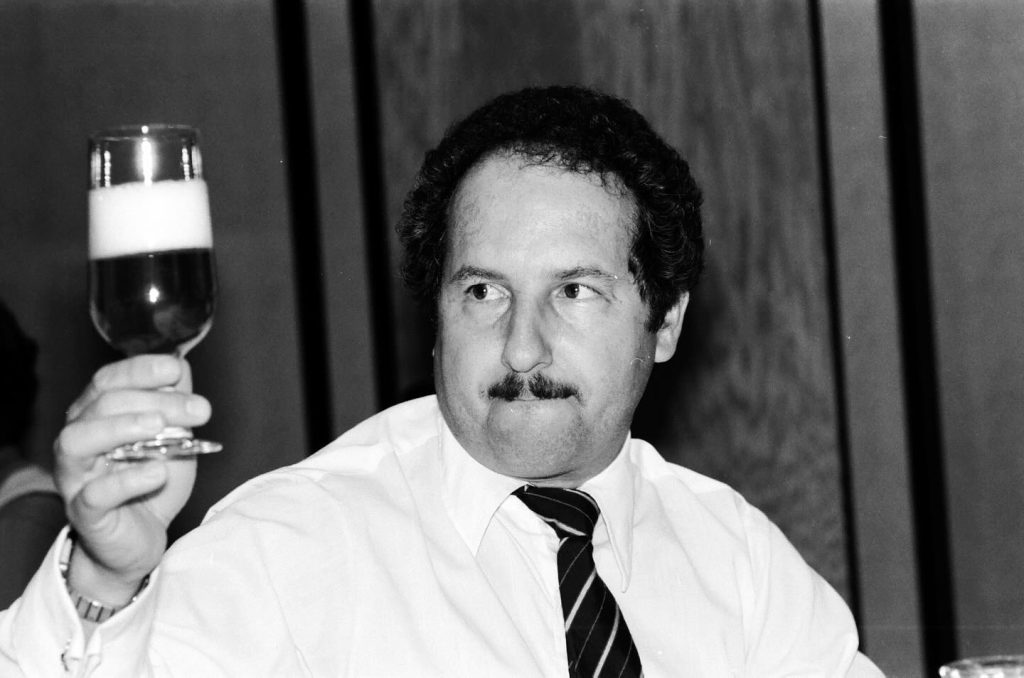
As a little fun fact, next time you pick up a 50-pound bag of malt, you’ve got Roger to thank for that! Unlike large breweries filling silos with barley, he knew craft homebrewers didn’t need it in such large quantities, so he made malt more accessible in smaller bags, helping them get their beers from basements and garages into taprooms and retail shelves.
After the unexpected passing of Roger Briess in 2001, his wife Monica stepped in to lead the company, keeping it family-owned and true to its roots. During her 20 years of leadership, the company opened the Extract Plant in Chilton and changed its name to Briess Malt & Ingredients Co. to reflect the strategic expansion into food ingredients.
Current CEO Craig Briess began leading the company in 2021. During the previous decade, Craig and Monica worked to acquire the Barley Operations in Wyoming/Montana and establish relationships with 200 growers (2013) and to purchase the world-class Manitowoc Malt Plant (2014). Since then, Craig has spearheaded significant investments at Manitowoc in safety, malt capacity, roasting, and packaging.
Next year marks 150 years of family ownership and industry leadership in specialty malt. That’s a whole lot of history fueling the quality and creativity of craft brewers. Cheers to tradition, innovation, and brewers who keep pushing the boundaries!
Explore the full historical timeline on Briess’ website.
Like Briess, every brewery has a great story of how it started. We’d love to hear yours in the comments!