
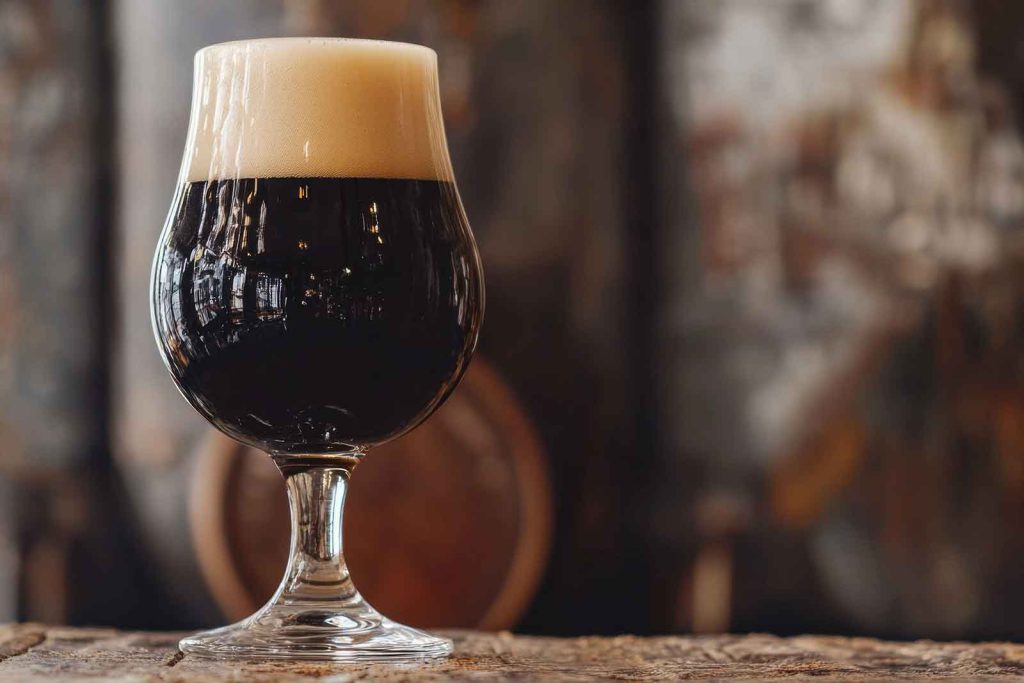
It’s that amazing time of year again, when brewers are releasing those big, beautiful dark beers that have been brewed for the cold months of the year. Those wonderful Porters and Stouts that flow from the taps and bottles. Some have been barrel-aged, and some have been spiced with a variety of different fruits, seeds, spices, roots, and leaves. But beneath all these creative additions, what one ingredient gives complexity to the backbone in many of these great beers? Chocolate Malt.
Chocolate Malt’s Role in Dark Beers
Chocolate malt provides the link between beer’s base malts and the heavily roasted components like black malts and roasted barley. As one brewer I know stated for their beers, “They [Chocolate malts] tie it all together, it doesn’t just go from base to char.” Although brewers sometimes feel this malt is very one-dimensional, a majority have used it, and a vast majority of Porters and Stouts on the market contain it. It comes down to the adaptability of the malt, and the link it provides by bringing that chocolate character to the beers.
Why “Chocolate” Malt?
So why is it called that? Aside from the flavors produced, roasting malt is not much different from roasting chocolate or even coffee. The main differences come down to temperature and time.
- Chocolate malts are roasted for 2-4 hours in a roasting drum.
- Coffee is typically roasted at similarly high temperatures, 380-480°F (190-250°C), but much quicker, 9-15 minutes, due to the water and oil content in the beans.
- Chocolate (cocoa beans) is much more delicate and is roasted at a much lower temperature, 210-310°F (100-155°C), for 30 minutes or less.
The elevated temperatures for these processes force the Maillard (browning) reactions forward, which generate flavor profiles for these roasted products: chocolate, coffee, caramel, toast, and roast.
Types of Briess Chocolate Malts
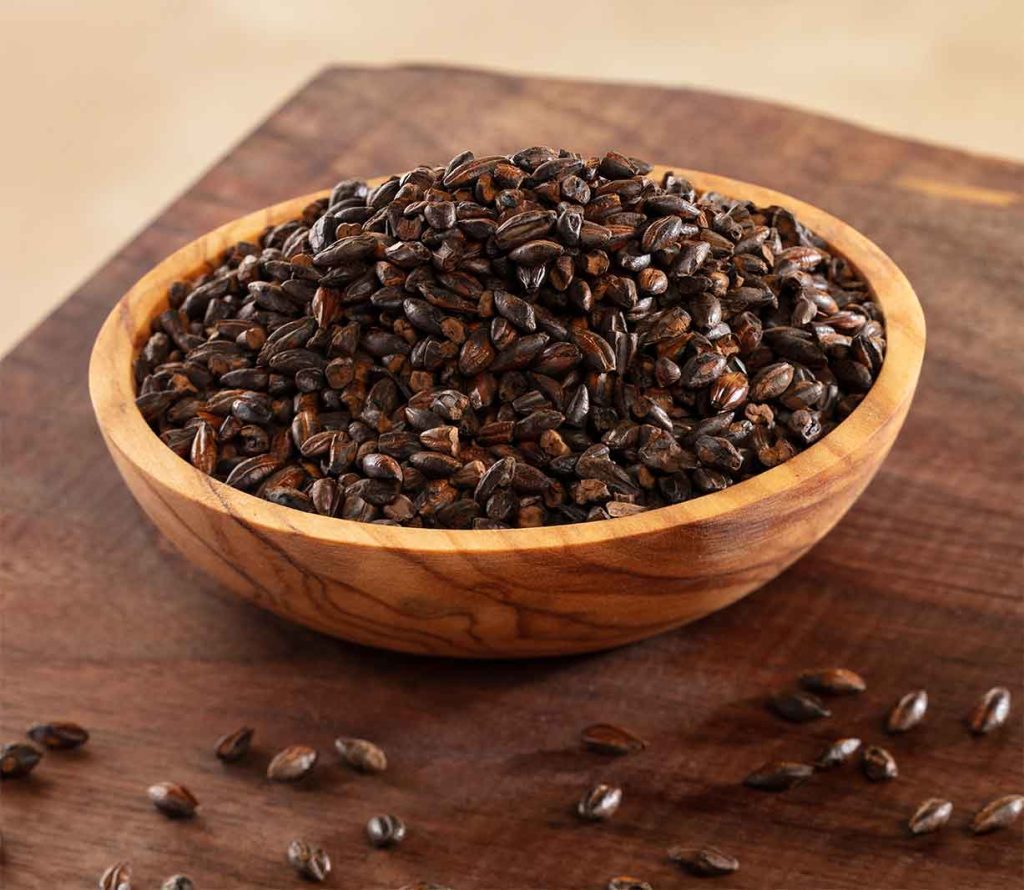
Rich, roasted coffee, and cocoa notes. SRM 350
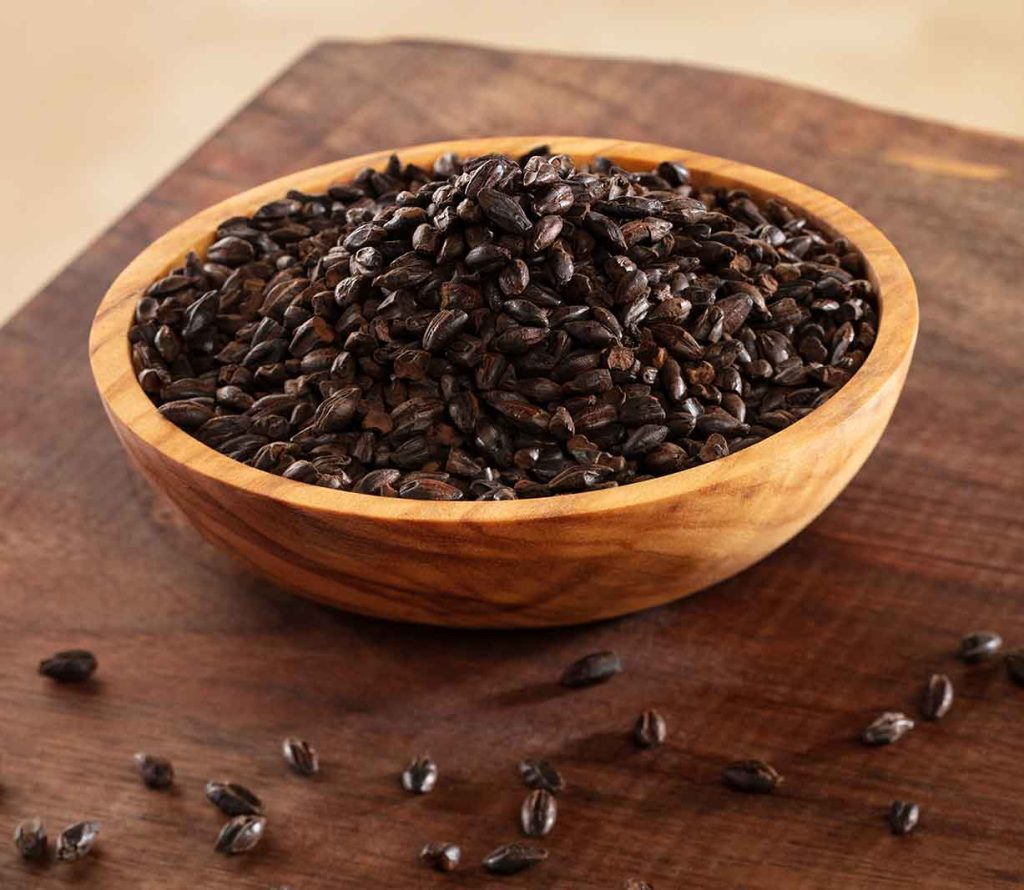
Rich, smooth, and coffee notes. SRM 430
The chocolate flavor of both malts is complementary when used in higher percentages. A recommended usage rate is 1-10%. They can be used in all beer styles for color adjustment, especially Porters, Stouts, Brown Ales, Dunkel, and other dark beers.
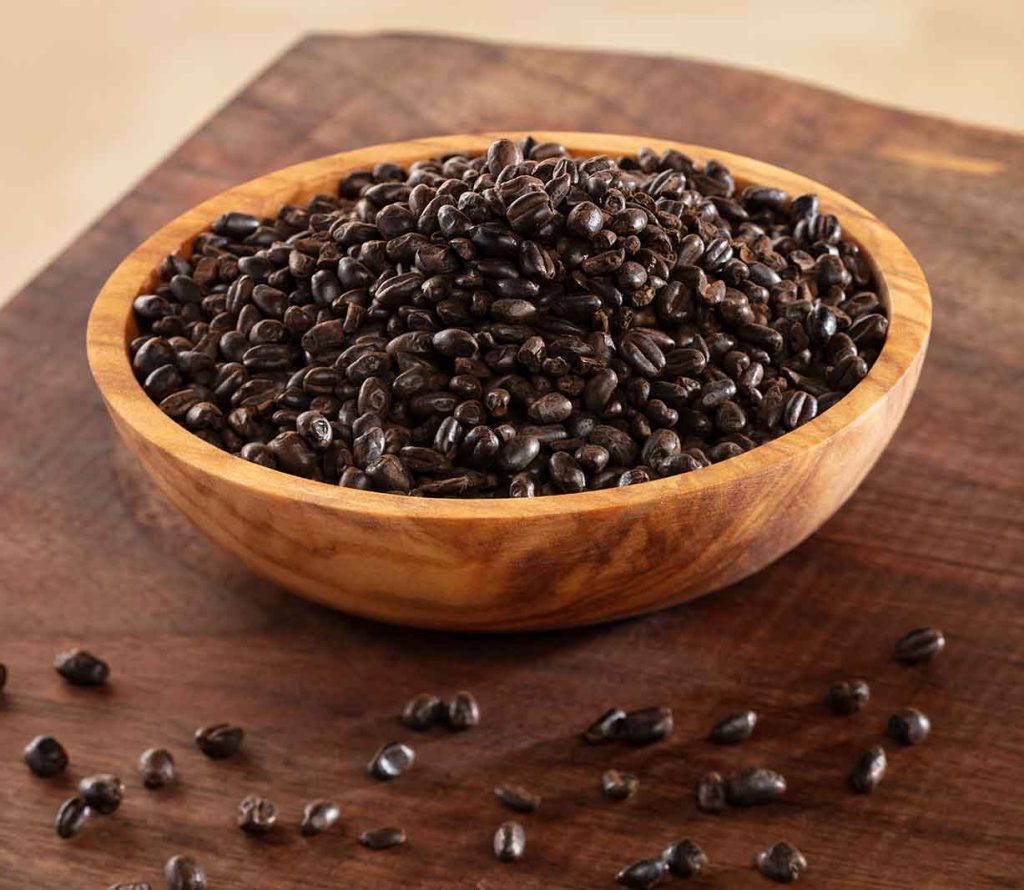
The cousin to Chocolate Malts. Subtle, smooth, no bitter, astringent, dry flavors or aftertaste, starts slightly sweet, hints of roasted flavor. SRM 550
Midnight Wheat contributes the same color characteristics as Black Malt but without the bitter, astringent, dry flavors or aftertaste. It finishes exceptionally clean and is the smoothest source of black color of any malt. It is excellent in Black IPAs, Schwarzbiers, other dark ales and lagers, and for color adjustment in any beer style.
For more on Briess’ Dark Roasted Malts, visit here.
How to decide between using Chocolate or Dark Chocolate Malt
Chocolate Malt and Dark Chocolate Malt may sound interchangeable, but they play distinct roles in a brewer’s toolkit.
Chocolate malt provides smooth cocoa, light coffee, and toasted notes with relatively low harshness, making it ideal when roasted character is meant to support balance and drinkability, as in Brown Ales, English or American Porters, and darker Lagers.
Dark Chocolate malt is more intense, delivering deeper cocoa, espresso, and drier roast with higher perceived bitterness, and is best used at lower rates when roast is a defining feature, such as in robust Porters, Dry Stouts, and Imperial Stouts.
In practice, the decision comes down to intent: choose Chocolate Malt for a rounded, integrated roast, and Dark Chocolate Malt for a sharper, more assertive roast, or blend the two to build layered chocolate depth with a firm, dry finish.
Enjoy a few references to Briess Chocolate Malt and dark beer:
- Briess Chocolate Malt Product Info Sheet (PDF)
- Briess Dark Chocolate Product Info Sheet (PDF)
- Blog: Malt of the Month: Briess Dark Chocolate
- Dark Chocolate Porter Recipe
Get Your Chocolate Fix
During this time of year, there are so many options for chocolate-flavored treats—ubiquitous red hearts filled with a selection of chocolate bonbons, your local purveyor’s simple cold brew, or even a mocha latte. But next time when you reach for one, think of your local brewer. Their winter offerings may just satisfy your or a loved one’s chocolate cravings in a far more delicious way.

(Adapted and updated from the author’s original article in The Oregon Beer Growler, February 2017)